Freshwater Aquarium Shrimp
Please note that the following photos are intended to show what the shrimp look like in general. Since these are all wild stock animals, and since many shrimp are variable in coloration, the actual animals you get may vary in color, pattern, and/or intensity of color. This is especially true of the bumblebee shrimp, red-fronted shrimp, and cherry red shrimp. The photos are there as a guide only, and I can not guarantee the coloration or patterns.

S/H Generally a Flat shipping and handling charge of $35.99 for express mail and $15.99 for priority mail for fish and shrimp.  Shrimp and Fish can be shipped together but not with any other items as either may become damaged. During the winter months these shrimp will not be shipped


For the best reference in algae eating fish and shrimp Check out Robyns informative page.

Algae-Eating Animals Comparison Table

This table is by no means complete nor may it be 100% correct but it will give you an idea of which species of algae-eating animal you may want for your aquarium or pond.

Both the likelihood of eating algae and eating plants applies to adult specimens and not to juveniles. Some species propensity to eat algae varies with age such as with most of the algae- eating fish. The species that are most available at the aquarium or pet store are those that the salesperson is most likely to try to sell to you. They also often cost a lot less than the other, less- available species. Do not let a salesperson sell you an animal that is not appropriate for your particular situation. For example, do not put a plecostomus in a tank under 40 gallons unless you plan to give it a larger home later, or do not put one of the smaller species below in with larger animals that may eat it.
http://www.fishpondinfo.com/algae.htm#table


See our newest aquarium fish store


!

1 S/h Express

S/H EXPRESS SHRIMP
!

THIS MUST BE ADDED FOR THE SHRIMP

1 s/h Priority

s/h Priority SHRIMP ONLY
!
THIS MUST BE ADDED FOR THE SHRIMP

Amano shrimp cardinia japonica

Amano shrimp cardinia japonica
!
Caridina_japonica
Caridina japonica                                                                 

This is THE algae eating shrimp.

Plant eating capacity: Low
Algae eating capacity: Moderate to High

The Amano shrimp, named after the person who introduced it to aquarists, is called by the following additional names: Yamato Numa Ebi, Japanese Marsh Shrimp, Yamato, and Caridina japonica (the scientific name). It looks somewhat like the rainbow shrimp I have kept. Apparently, it is rare to find one in the United States. This shrimp prefers brackish (which means some salt, between freshwater and seawater) waters and grows to about two inches. They should be kept below 80 degrees F since they are not a tropical species. Temperatures in the 60's and 70's are preferred.

They have not spawned often in captivity often because they require saline waters with lots of plankton. The larvae require brackish water to grow. A female can carry 1000 to 2000 eggs so the larvae are very small and need protozoans and algae to eat. Some breeding is reported in Germany. One idea is that Amano shrimp naturally live in streams and release their eggs there. Then the larvae float to the sea where they undergo nine changes before migrating back into the streams.
One aquarist had success breeding the shrimp by alternating cycles of lights on for a few weeks with a week of lights off. The dark period apparently allowed the baby shrimp to remain "invisible" to hungry adult shrimp and small fish. Java moss and Amazon swords were the predominate plants in the tank.

Amano shrimp are brown with a tan stripe down their back and brown lines on their sides according to one report but that describes my rainbow shrimp! Most photos of Amano shrimp show a shrimp that looks nothing like that. They are mostly clear with spots along their sides. They lack large claws and live longer than most freshwater shrimp. They are supposed to eat soft and red algas. Unlike other shrimp, one shrimp web site says that they eat directly with their mouth and do not use their hands while a few people who have kept them say that they do use their hands (they have seen it). On 2/1/02, I added three shrimp sold as "Japonica" shrimp to my 20 gallon tank. One was dead the next morning. They are larger and lighter than my rainbow shrimp and have little dashes along their sides. They like to sit on leaves and use their little hands to bring algae to their mouths. I have seen it! I hope they can survive in my tank. A photo is above but it is not very good. By 5/10/02, I have not seen the Amano shrimp in many months. They are presumed dead. I did see a rainbow shrimp in that tank on 5/4/02 though which I had not seen in a long time so who knows.

Info used with permission from Robyn

Live animal shipping cannot be combined with any aquarium plant or aquarium supply shipping

Assorted Midget Shrimp (6 Freshwater Shrimp)

Assorted Midget Shrimp (6 Freshwater Shrimp)
!

Palaemon sp.

Another small (1/2") algae-eating shrimp. As with the emerald grass and rainbow shrimp, these shrimp are also variable in color. It is also similar in shape and size to the rainbow shrimp.

Live animal shipping cannot be combined with any aquarium plant or aquarium supply shipping

Black Midget Shrimp

Black Midget Shrimp
!
Caridina sp.

A small shrimp, getting no larger than 3/4".  A decent algae eater. This ship may be a variety of the green midget shrimp. 12 min order

Black Midget Shrimp 12 shrimp

Caridina sp.
!

Black Midget Shrimp
Caridina sp.

A small shrimp, getting no larger than 3/4".  A decent algae eater. Despite its name, it's not always black. This shrimp,
like the other Caridina, is variable in color.

Blue Midget Shrimp PER 12

Blue Midget Shrimp Caridina sp.
!

Per 12

Blue Midget Shrimp  
Caridina sp.

A small shrimp, getting no larger than 3/4".  A decent algae eater.

Blue Shrimp 6 shrimp Neocaridina sp.

Blue Shrimp 6 shrimp Neocaridina sp.
!
A great algae eating shrimp.  Grows to about 1

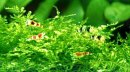
Bumble Bee shrimp

Bumble Bee shrimp
!
TN_Bumblebee_shrimp
Min 5 per order

Algae eating capacity: Moderate

Bumble bee shrimp only grow to an inch long and eat algae. Bumble bee shrimp belong to the family Atydae. A hybrid version of the bumble bee shrimp is the Crystal Red shrimp. They have light black stripes down their backs like bumble bees. They prefer temperatures in the low 70's F and slightly acidic water. Bumble bee shrimp will eat fish food, soft moss, vegetable matter, and soft algas. One keeper reports that they prefer fish food and do not eat much algae. They are active and peaceable. Bumble bee shrimp are supposed to be easy to breed on a diet of fish food. Unfortunately, they only live to about 15 months of age. Neocaridina species are similar to bumble bee shrimp in many ways. My local fish store had some bumble bee shrimp for sale for about $2 but they were very small, about the size of adult brine shrimp. At that size, even small fish might eat them, or they could get sucked into the filter intake. For more information on bumble bee shrimp including the Crystal Red
Information used with permission from Robyn

Chameleon shrimp

Chameleon shrimp
!
TN_chameleon_shrimp_male

Macrobrachium pilimanus
http://www.wirbellose.de/arten.cgi?action=show&artNo=034


The chameleon shrimp is a medium-sized shrimp not suitable for mixing in with smaller fish. It is predatory in nature.  Note the hairy coating on the claw of the adult male. This is normal, and usually happens to the alpha male.


Live animal shipping cannot be combined with any aquarium plant or aquarium supply shipping